FANfare Blog

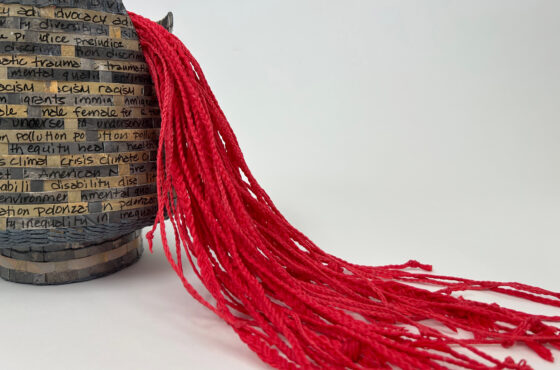
“When each student brings their own meaning into a vessel and then shares it with the group,” the artists explained, “it affects everyone. It’s no longer just about technique—it’s about witnessing each other’s transformation.”
In 2004, artist Liz Alpert Fay created a portrait of Ruth Spring—a 92-year-old naturalist, organic gardener, and painter who had deeply inspired her. At the time, she didn’t realize this one portrait would spark a project spanning two decades.
With its unwavering commitment to contemporary craft, support for both emerging and established artists, and a vibrant lineup of artist talks and First Friday events, Gravers Lane Gallery isn’t just about curating exhibitions—it’s about cultivating community.
Ruth Asawa’s work has been exhibited widely in San Francisco and New York since the late 1960s. She also had a mid-career survey at SFMOMA in 1973. She was known for unique and creative suspended sculptural works that made use of fiber techniques and fibrous materials in new and surprising ways that expanded the field of sculpture. Her works were created entirely by hand from metal wire, usually brass or copper, that she used like thread.
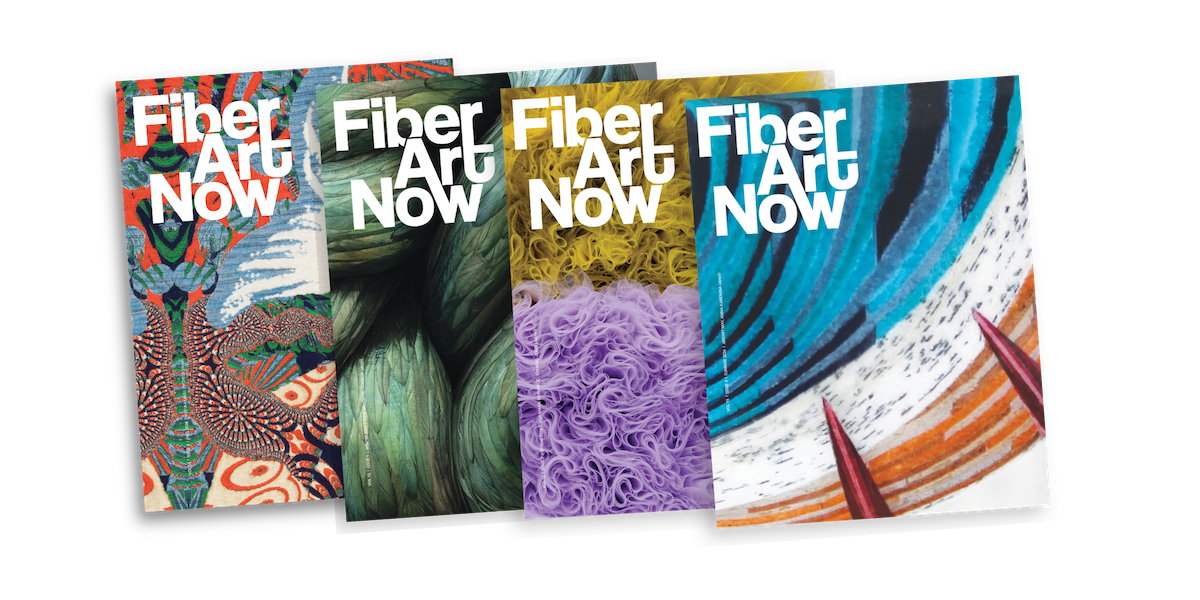
Their special feature, published in the spring issue, highlights influential craft magazines around the world—each selected for their dedication to innovation, artistic excellence, and community building. We’re proud to be included alongside titles like Metalsmith, Embroidery, and American Woodturner.
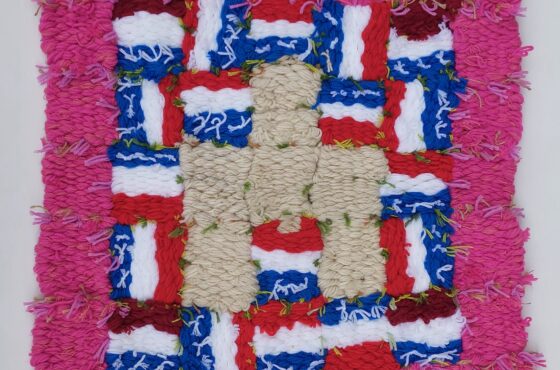
In recent years, the fibers program has blossomed, especially around weaving. What started with just two looms and a shared dream quickly became a full-blown weaving program. When artist and weaver Jamie Boyle returned to Pittsburgh from New York City and joined Contemporary Craft as an artist-in-residence, she found a budding community and space to grow. She and program director Allison Jones imagined offering classes and within four months, with an outpouring of donated looms and tools, that vision became a reality.
Submitting your work to a juried exhibition is an exciting opportunity— but the photo you send is the most important part of the entry. Yes, thoughtful writing and attention to detail are important, but it’s the photo that grabs the attention of the jury.
What truly makes SEFAA special, though, is the strong sense of belonging. Members connect regularly through events like the Weekly Lunchtime Fiber gatherings—relaxed, judgment-free meetups for stitching and chatting, in person or online—and a Monthly Book Club that sparks conversation and creativity.
“Ahead of her time.” This was one of the first things that Nancy Hemenway Barton’s son, Bill Barton, said about his mother during a lecture last month withJill D’Alessandro, curator of the Denver ArtMuseum’s Avenir Institute of Textile Arts & Fashion.
Through fiber, metal, and process, Beatrice Atencah transforms history into form, weaving together stories of resilience, migration, and cultural continuity. Her sculptures invite us to see textiles not just as fabric, but as vessels of memory and transformation—where tradition and identity shift and evolve.
“At its core, this initiative is about taking action—if we want change, we must create the opportunities to make it happen.”
The Craft Emergency Relief Fund has dedicated itself to supporting artists by providing critical assistance for both preparing for and recovering from disasters and emergencies.

Special Offer

Subscribe today and get our current issue FREE. Plus, get instant access to 20 original ebooks and 12+ years worth of digital magazines. 

Join the community!

For the latest news, special offers, and exclusive content you won’t find anywhere else, sign up for our newsletter below!