FANfare Blog

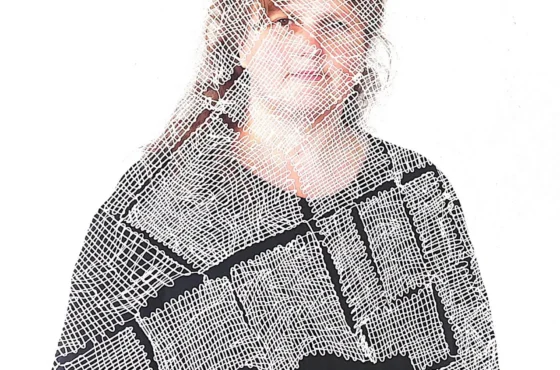
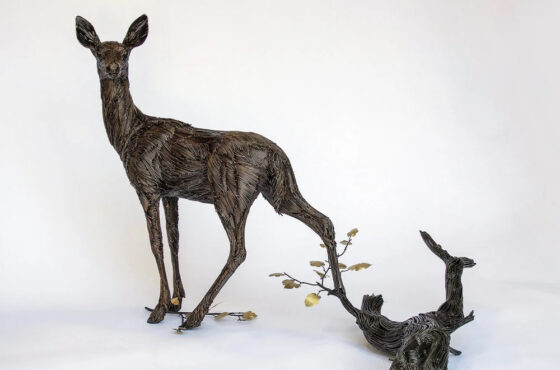
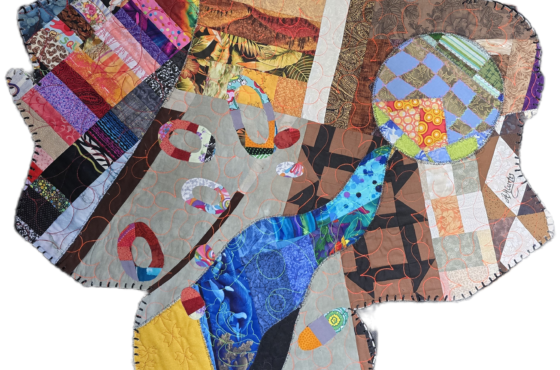
When Holly Wong says her practice is about "radical repair," she means it in the most literal sense, stitching things together, cutting them apart, and stitching them back together again until the fracture becomes the structure. Wong, a Presidential Scholar in the Arts represented by galleries in four cities, creates fiber and drawing-based installations shown in more than 100 exhibitions, all asking the same essential question: What can be made from the broken things we carry?
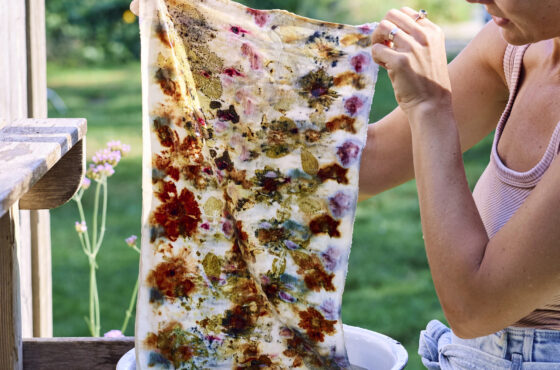
Some artists work with nature, and then there are artists who let nature lead. Alison Kelly—textile artist, author, and founder of Flora Obscura—belongs firmly in the second camp. Through the ancient alchemy of botanical printing and natural dyeing, Kelly has built a practice rooted in curiosity, collaboration, and the quiet intelligence of plants.
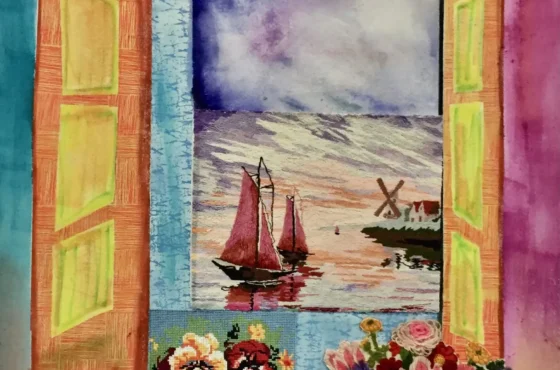
For Jamie Curtismith, maximalism is not an aesthetic choice, it is a philosophical position. “Maximalism, for me, is not excess for its own sake. It is an accumulation of truth.”
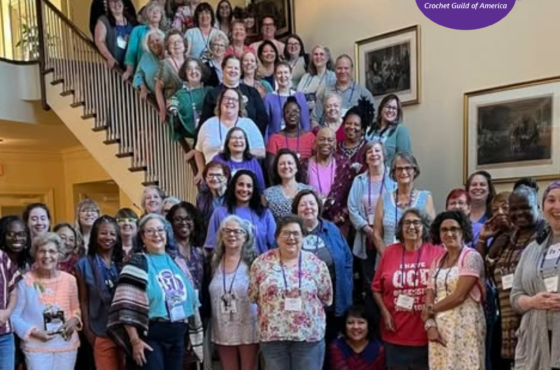
The Crochet Guild of America (CGOA) is the only national nonprofit dedicated entirely to the art and craft of crochet. We reached out to learn more about what they do, who they serve, and why it matters. The answer, it turns out, is more than you might expect.
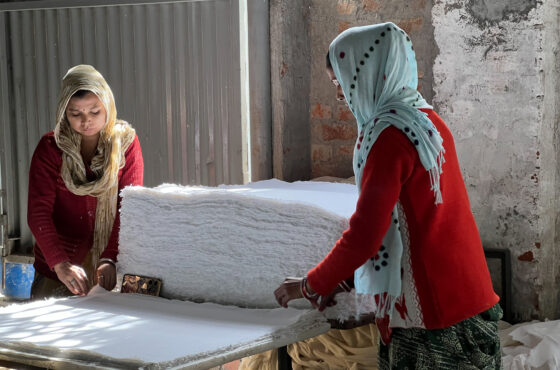
As fiber artists, we pay close attention to the surface—how a material is made and what that process leaves behind. During our visit to Jaipur, I toured Kalpana Handmade Paper Industries in nearby Sanganer, where the entire life of a sheet of paper unfolds visibly, from recycled cotton cloth to pulp to sun-drying racks. It was a powerful reminder of how deeply process shapes material.
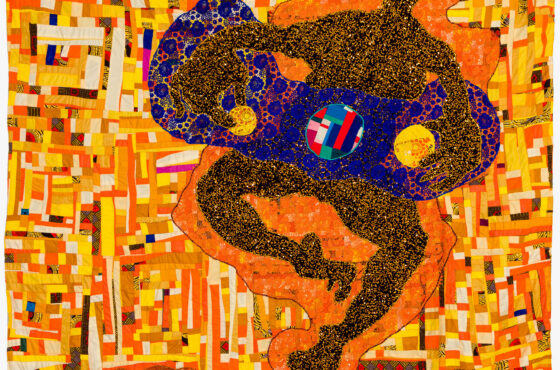
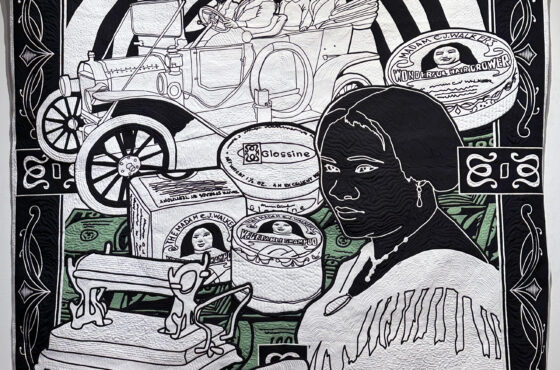
February’s Out & About takes us to Central Harlem, New York, where Claire Oliver Gallery presents Certain Restrictions Do Apply, a landmark two-person exhibition by Carolyn Mazloomi and Sharon Kerry-Harlan. On view January 9 through March 7, 2026, the exhibition brings together decades of friendship, conversation, and creative exchange through textile works that confront history, memory, and lived experience with clarity and conviction.
Watching the process unfold—from block carving and printing to dye mixing, washing, and finishing—reveals how many hands and forms of knowledge are involved in each piece of cloth. A finished garment may appear effortless, but it carries the imprint of many people working together, each responsible for a particular stage.
Kim Breit’s path as an artist is one many creatives will recognize: moments of discouragement followed by steady, determined forward motion. Her story is an inspiring reminder that believing in your work—and continuing to show up—can lead to unexpected and deeply affirming opportunities.
For nearly two decades, Craft in America has documented the stories of artists, traditions, and cultural histories that shape the rich landscape of American craft. As the organization looks toward 2026, its work is expanding in an ambitious and deeply resonant way through Handwork 2026—a nationwide initiative that invites communities across the country to celebrate the handmade during the United States’ Semi- quincentennial year.
Fiber Fusion’s exhibition 2nd Chances brings together seven artists whose practices reflect the extraordinary range and depth within contemporary fiber art. Quilt makers, assemblage artists, and mixed-media practitioners share the space, each offering a distinct approach to material, form, and narrative.
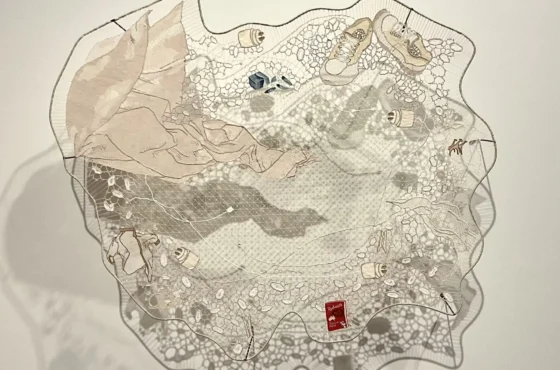
Francis-Lunn describes herself as someone who is always learning. Techniques expand her vocabulary and give her options. Her work is deeply concept driven, and having multiple construction methods at her fingertips allows her to choose the one that best communicates the idea she’s trying to examine. Sometimes that means creating a structured, text-based vessel; other times it means constructing an armature that holds chaos, tension, or uncertainty in its form.

Special Offer

Subscribe today and get our current issue FREE. Plus, get instant access to 20 original ebooks and 12+ years worth of digital magazines. 

Join the community!

For the latest news, special offers, and exclusive content you won’t find anywhere else, sign up for our newsletter below!