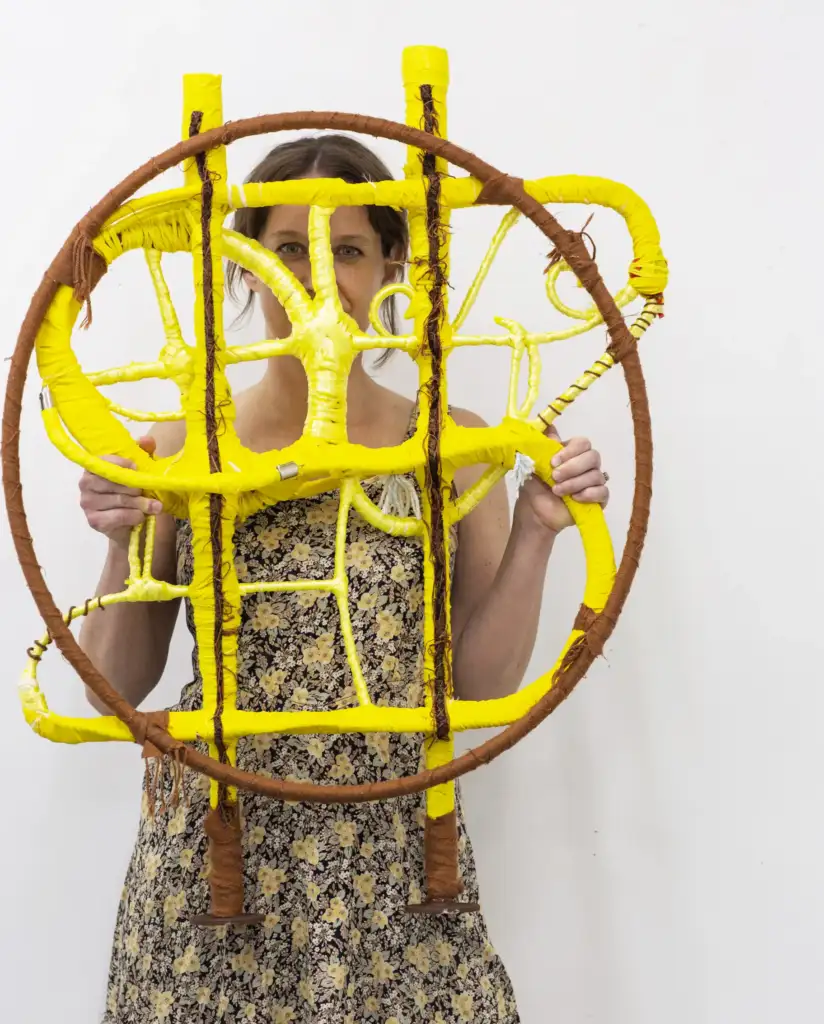
For Courtney Puckett, wrapping is never just surface. “Wrapping, or binding, functions as connective tissue and as repair,” she explained. “In other material cultures, it preserves or dresses wounds.” The pairing of hard and soft echoes “the relationship of bone to flesh, and of solidity to malleability,” she said.
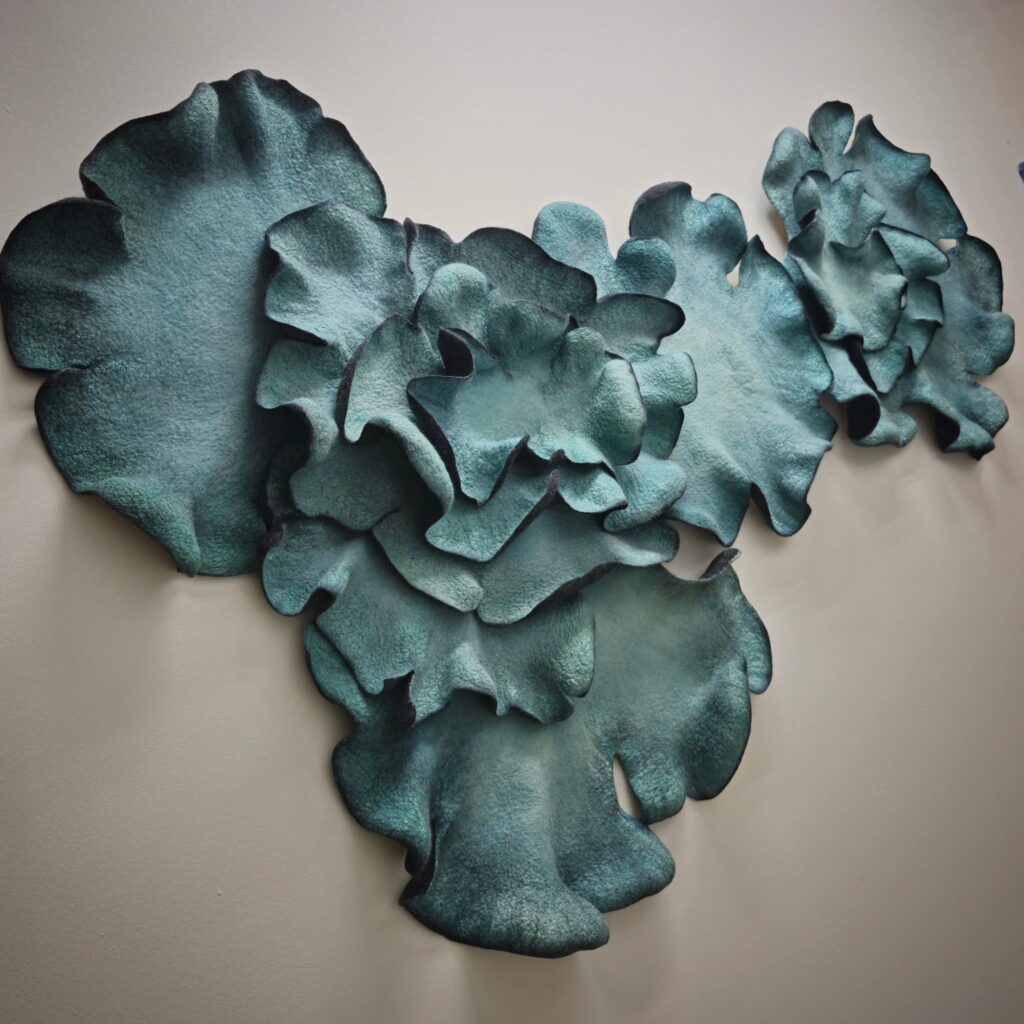
Flóra Carlile-Kovács’s first attempts at felting were a disaster. As a teenager, she taught herself nearly every fiber art, from weaving to lacemaking. But, when she tried felting, she made every mistake available: too much water, too much soap, poor wool, ugly colors, uneven felt riddled with holes.
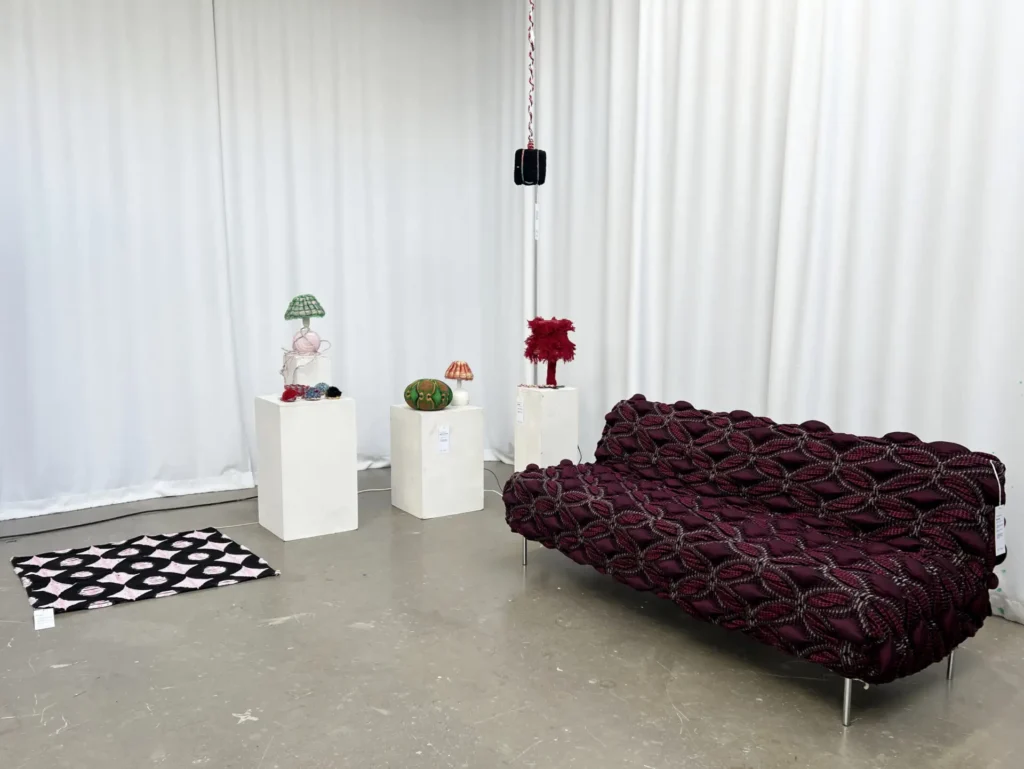
Michelle Vossen makes textiles that answer back. A pillow that plays music when you squeeze it. A sofa that reacts when you sit down. A woven surface that can control a machine.
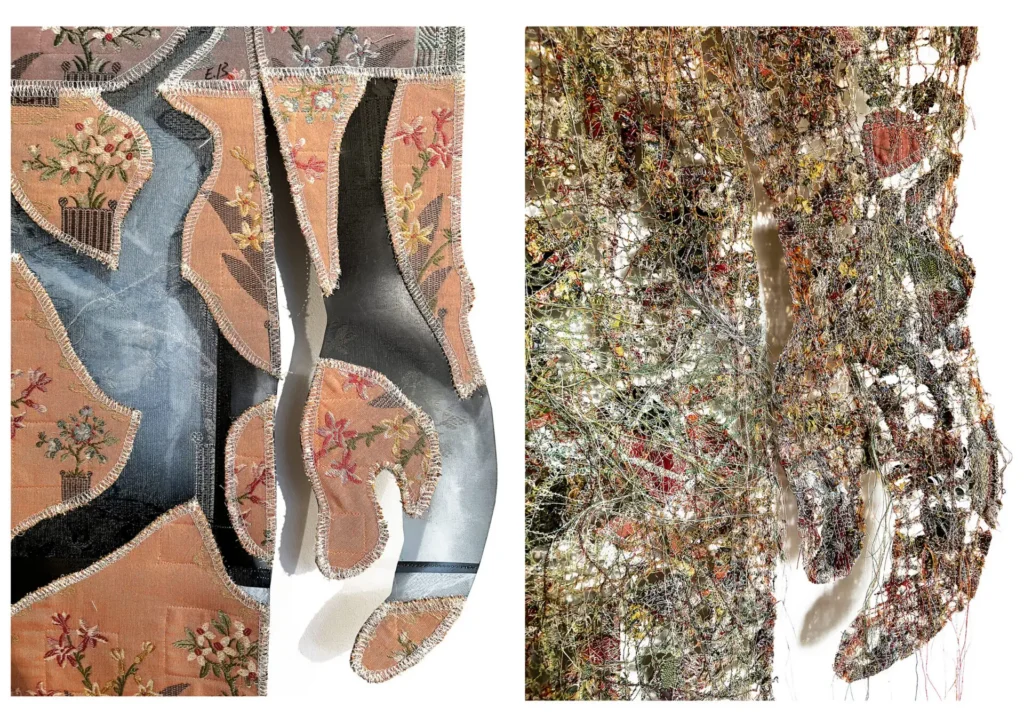
Brigitte Amarger works in three media: X-ray film, paper, and textile, all of it recovered. She believes “matter retains the memory of everything it has been through. A piece of cloth has been woven, printed, worn, and finally tossed away, and it carries all of that with it.”
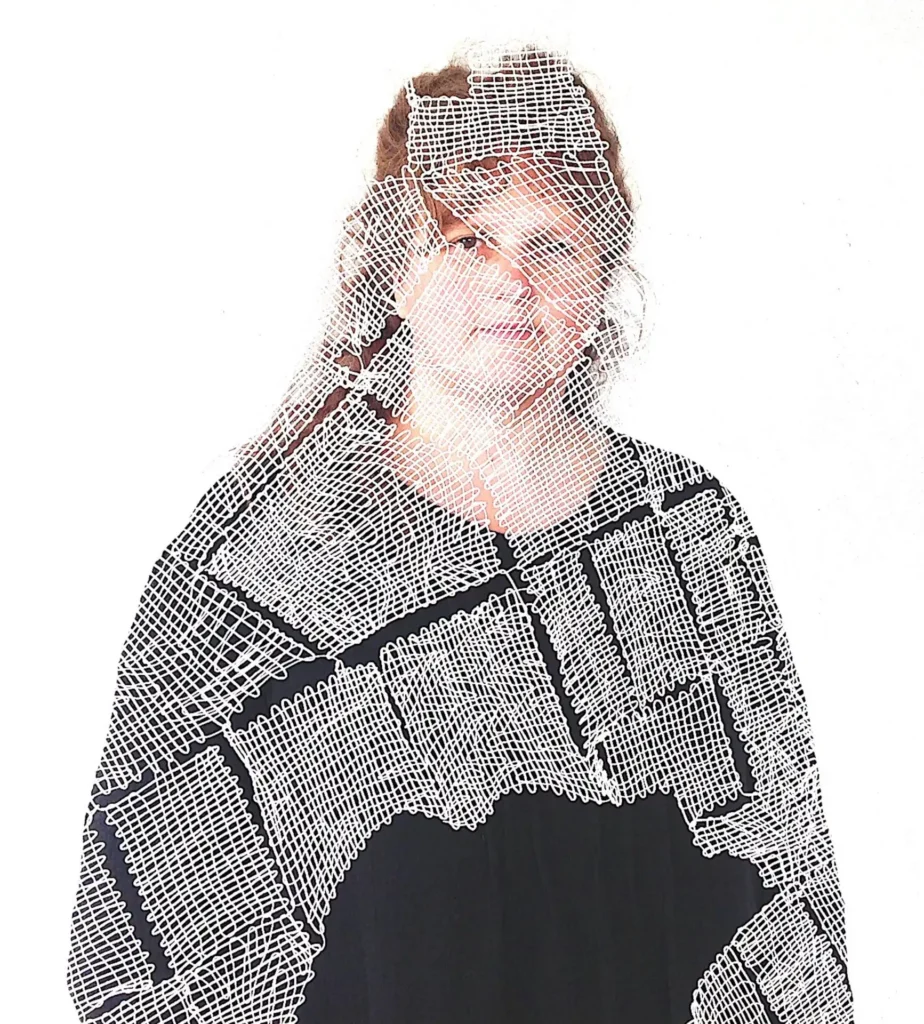
What happens when you stop controlling and start observing? That’s the question Louise Martin is bringing to Los Angeles, California, this October—and it might change the way you think about the loom.
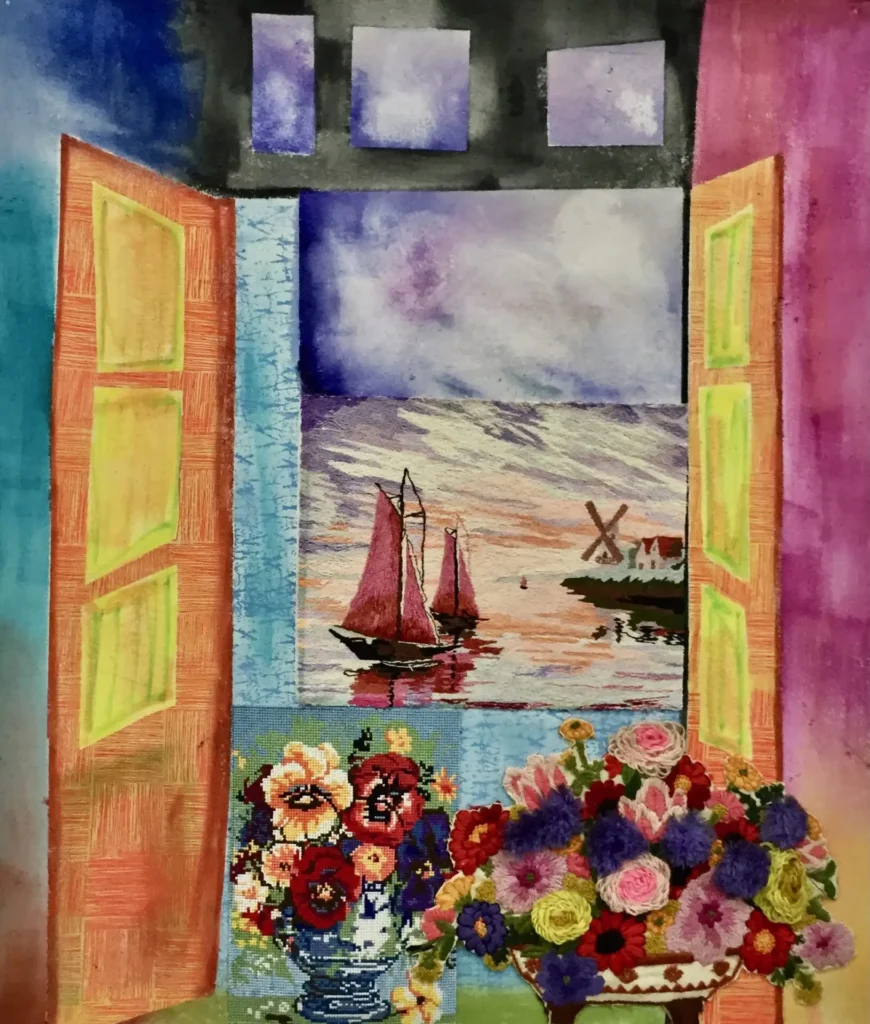
“We all have a tendency to collect supplies and techniques first,” Dunnewold said, “and then we realize it would be helpful to know more about color, composition, and the value of making work that is personal and reflects who we are.”
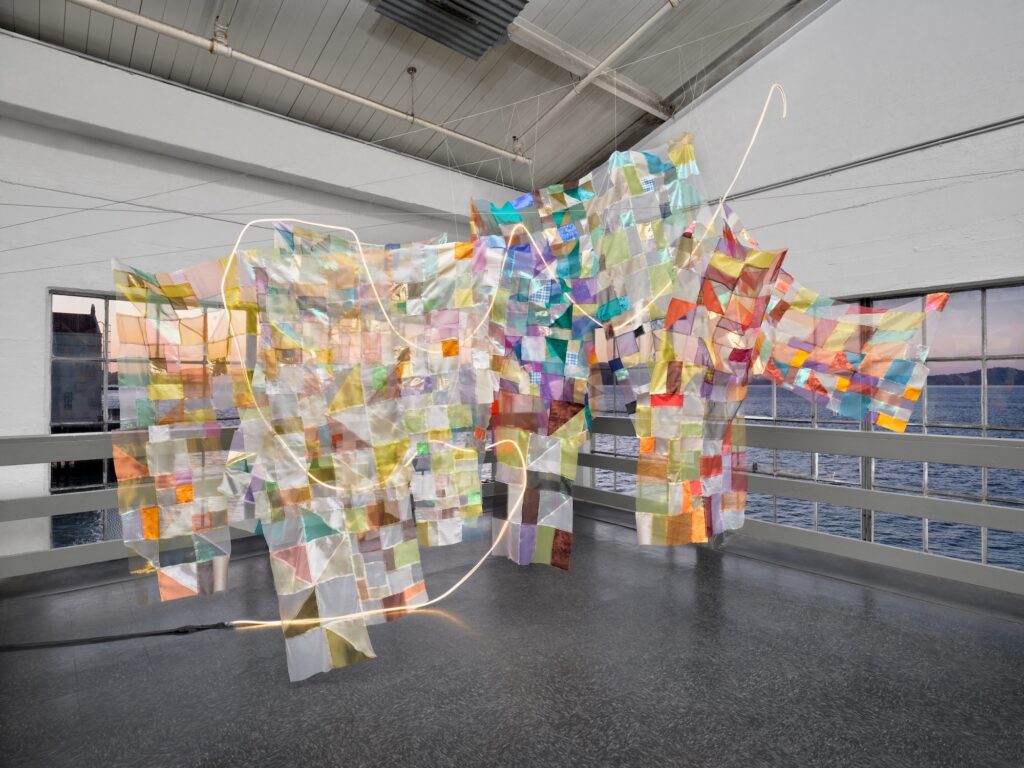
When Holly Wong says her practice is about “radical repair,” she means it in the most literal sense, stitching things together, cutting them apart, and stitching them back together again until the fracture becomes the structure. Wong, a Presidential Scholar in the Arts represented by galleries in four cities, creates fiber and drawing-based installations shown in more than 100 exhibitions, all asking the same essential question: What can be made from the broken things we carry?
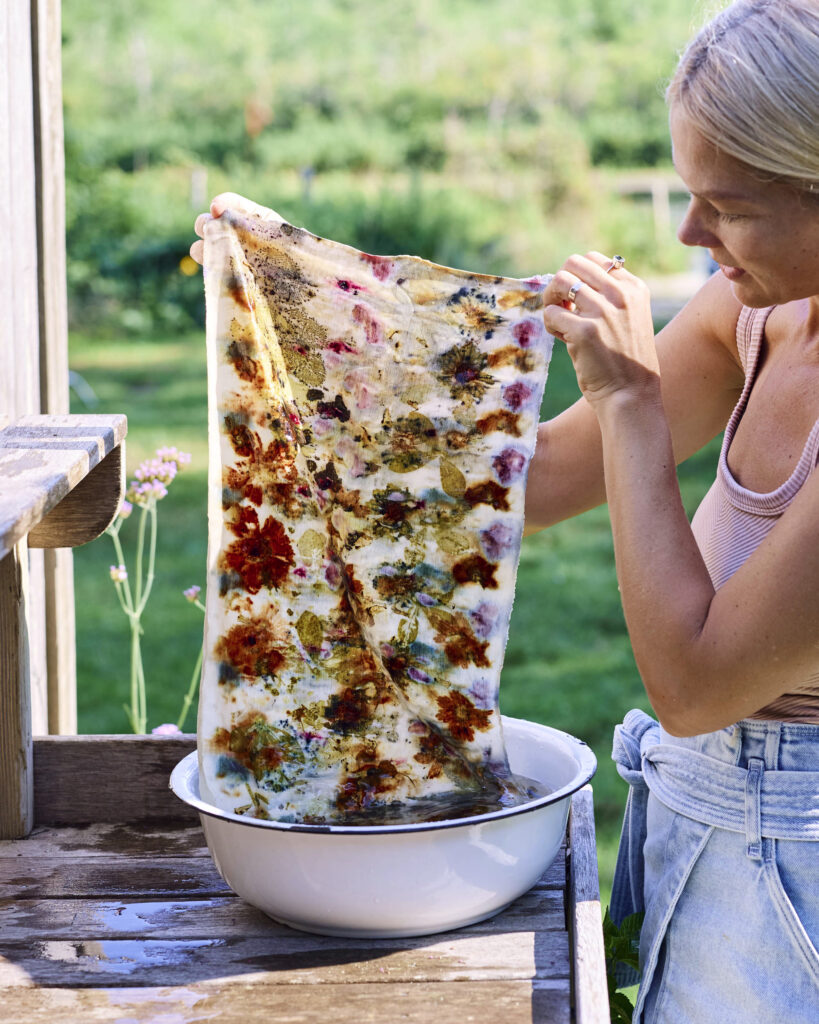
Some artists work with nature, and then there are artists who let nature lead. Alison Kelly—textile artist, author, and founder of Flora Obscura—belongs firmly in the second camp. Through the ancient alchemy of botanical printing and natural dyeing, Kelly has built a practice rooted in curiosity, collaboration, and the quiet intelligence of plants.
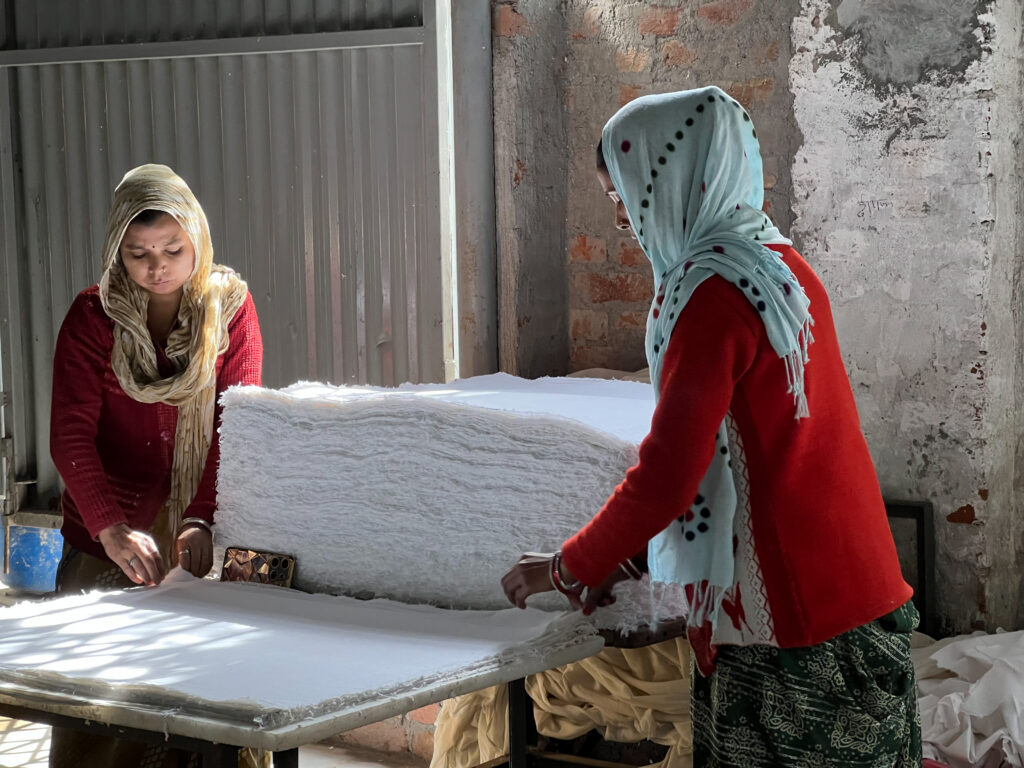
As fiber artists, we pay close attention to the surface—how a material is made and what that process leaves behind. During our visit to Jaipur, I toured Kalpana Handmade Paper Industries in nearby Sanganer, where the entire life of a sheet of paper unfolds visibly, from recycled cotton cloth to pulp to sun-drying racks. It was a powerful reminder of how deeply process shapes material.
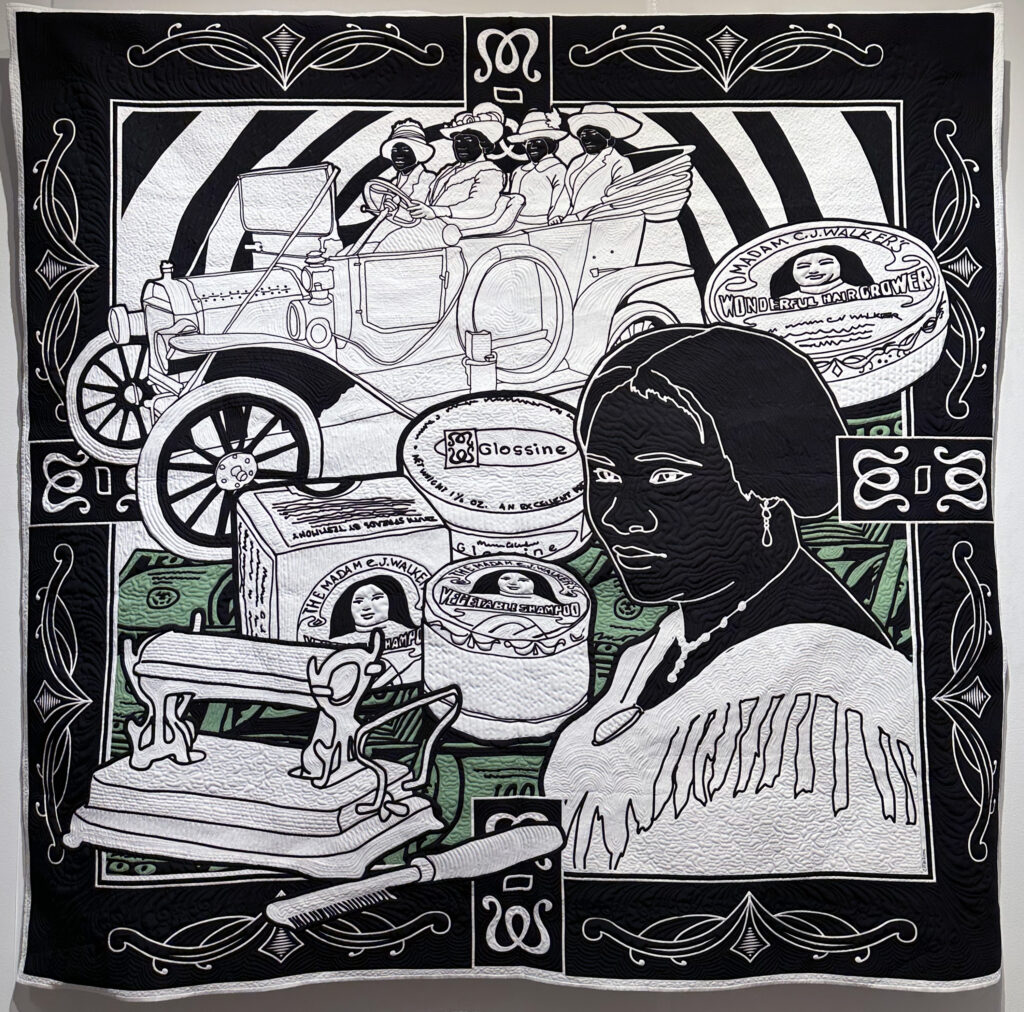
February’s Out & About takes us to Central Harlem, New York, where Claire Oliver Gallery presents Certain Restrictions Do Apply, a landmark two-person exhibition by Carolyn Mazloomi and Sharon Kerry-Harlan. On view January 9 through March 7, 2026, the exhibition brings together decades of friendship, conversation, and creative exchange through textile works that confront history, memory, and lived experience with clarity and conviction.
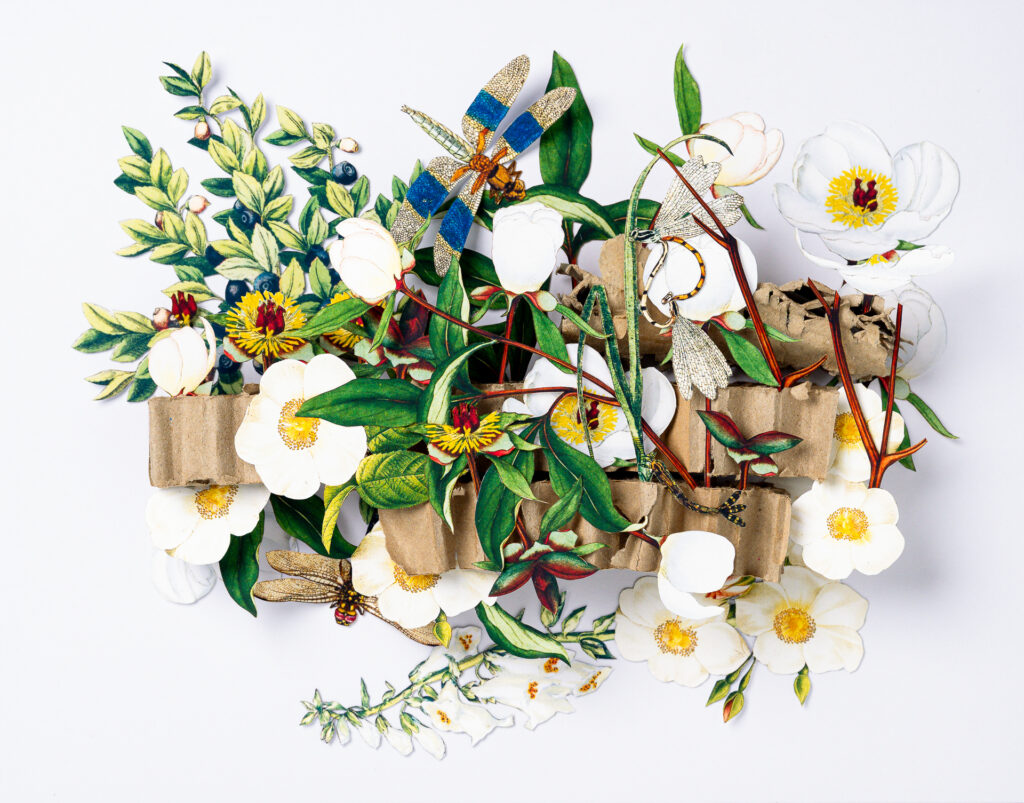
Kim Breit’s path as an artist is one many creatives will recognize: moments of discouragement followed by steady, determined forward motion. Her story is an inspiring reminder that believing in your work—and continuing to show up—can lead to unexpected and deeply affirming opportunities.
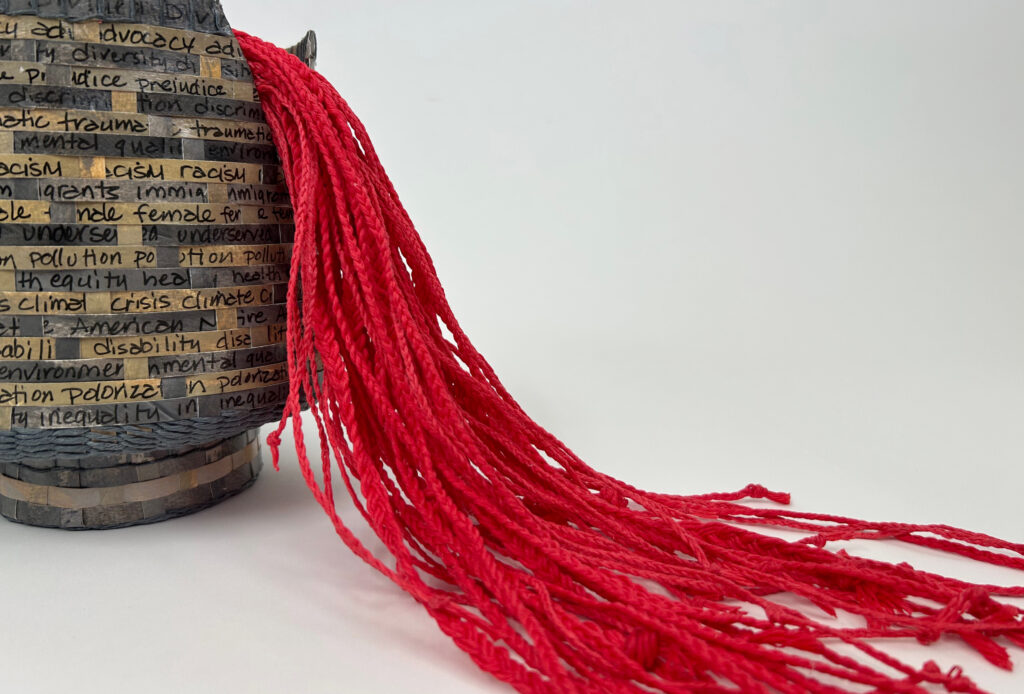
Francis-Lunn describes herself as someone who is always learning. Techniques expand her vocabulary and give her options. Her work is deeply concept driven, and having multiple construction methods at her fingertips allows her to choose the one that best communicates the idea she’s trying to examine. Sometimes that means creating a structured, text-based vessel; other times it means constructing an armature that holds chaos, tension, or uncertainty in its form.